Como Usar “There is / There are” para Descrever o Mundo ao Seu Redor



Quando entramos no nível intermediário do inglês, uma das estruturas mais úteis — e ao mesmo tempo mais negligenciadas — é There is / There are. Ela aparece o tempo todo em conversas reais, especialmente quando você quer descrever ambientes, apresentar informações ou organizar pensamentos.
Imagine situações do dia a dia:
-
Você entra em um quarto e descreve o que vê.
-
Você mostra uma foto a um amigo.
-
Você explica como é a sua cidade.
-
Você pede algo em um restaurante.
Em todas essas situações, There is/There are vai te acompanhar.
🌟 1. O que significa There is / There are?
-
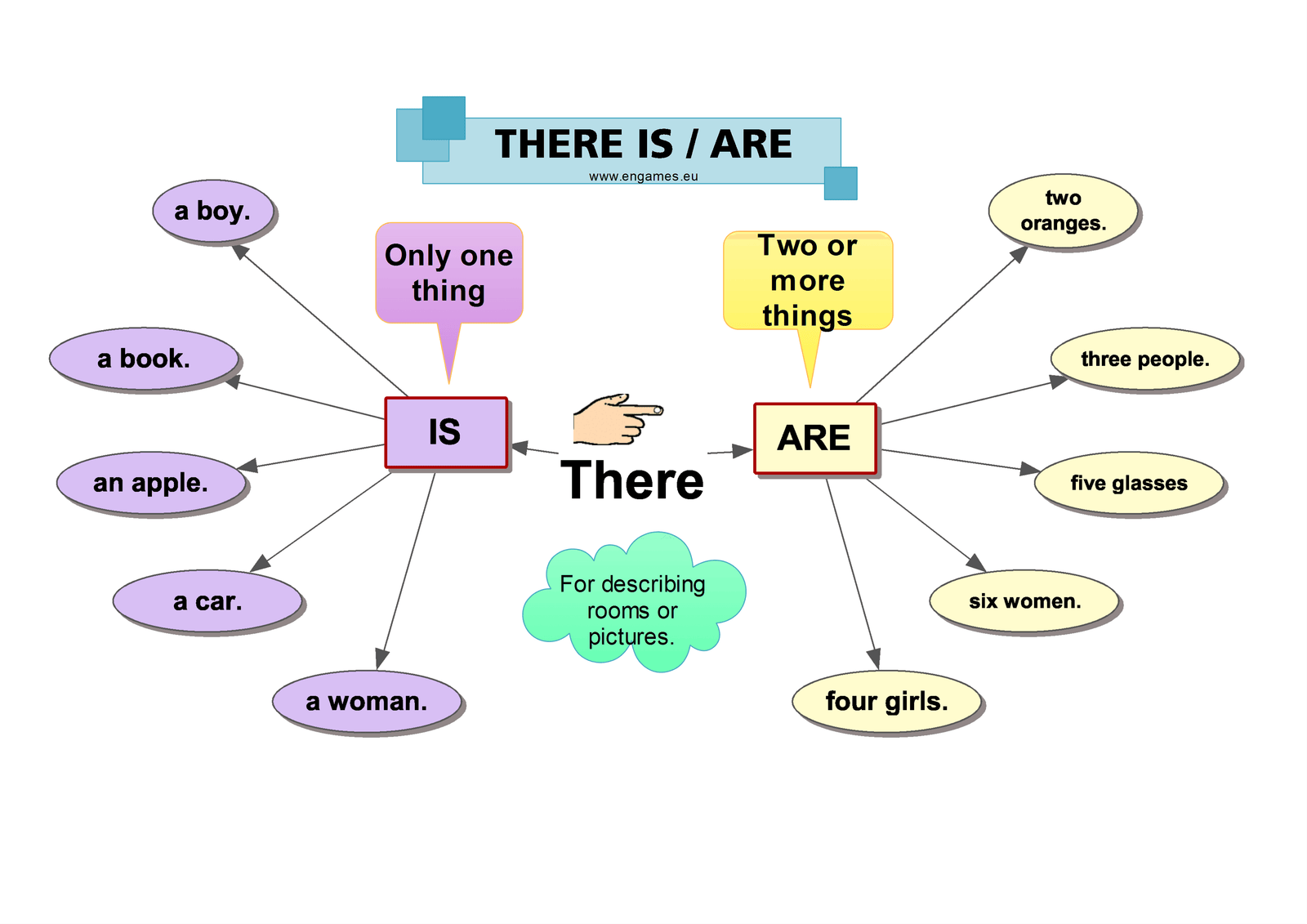
There is = “Há”, “Existe”, “Tem” (singular)
-
There are = “Há”, “Existem”, “Tem” (plural)
A estrutura aponta a existência de algo em um local.
✔ There is a book on the table.
✔ There are two dogs in the yard.
O inglês usa essa estrutura porque ela torna a frase mais natural e direta.
🌍 2. Quando usar cada forma?
Usamos THERE IS para singular:
-
There is a problem here.
-
There is a new restaurant in my neighborhood.
Usamos THERE ARE para plural:
-
There are many people at the party.
-
There are three mistakes in your text.
Simples, mas extremamente poderoso.
🔄 3. Forma negativa
-
There isn’t (There is not)
-
There aren’t (There are not)
Exemplos:
❌ There isn’t a bathroom here.
❌ There aren’t any chairs available.
Repare no uso de any em negativas — ele é quase obrigatório.
❓ 4. Forma interrogativa
-
Is there…?
-
Are there…?
Exemplos:
❓ Is there a bank near here?
❓ Are there any good hotels in this area?
Perguntas com “Is/Are there” deixam seu inglês muito mais natural.
🧩 5. Palavras muito usadas com essa estrutura
Any → usado principalmente em perguntas e negativas
-
Are there any cars for rent?
-
There aren’t any tickets left.
Some → usado em afirmações
-
There are some cookies on the table.
Many / A lot of / Plenty of
-
There are many options.
-
There are a lot of people here.
-
There are plenty of reasons to travel.
🖼️ 6. Exemplos aplicados ao cotidiano
🏠 Descrevendo um lugar
There is a big window in my room, and there are two plants near the bed.
🍽️ Em um restaurante
Is there a vegetarian option?
There are many desserts today.
✈️ Em viagens
There are three museums nearby.
Is there a bus to the city center?
🗣️ 7. Mini Conversação Realista
— Is there a pharmacy opened now?
— Yes, there is one next to the supermarket.
— Are there any seats available?
— No, there aren’t. All of them are taken.
Você vê como a estrutura encaixa perfeitamente em diálogos naturais.
🎯 8. Exercício para fixar
Descreva seu quarto usando There is / There are.
Por exemplo:
There is a lamp on my desk. There are two pillows on my bed. There is a window on the left side.
Isso treina vocabulário, fluência e organização mental.
💬 Conclusão leve
There is / There are são como pequenos tijolos que constroem a base da sua comunicação.
Quando você domina essa estrutura, ganha a capacidade de descrever o mundo, de forma clara e confiante. É simples, mas abre portas enormes no inglês do dia a dia.
Se sentir que sabe pouco, relaxa: cada frase que você escreve com essa estrutura te deixa um passo mais fluente.